

 Image 1 of 1
Enhancement Protection ( Polish Package )
Polish Package — What’s Included and Why It Matters
What the polish package does
Restores gloss and clarity: Removes light to moderate surface imperfections such as swirl marks, light scratches, oxidation, water spots and etching to bring back depth and shine.
Smooths the clear coat: Polishing levels the paint surface so reflections are sharper and paint looks newer.
Prepares for protection: A properly polished finish bonds better with sealants, waxes, and ceramic coatings, extending the life of those protections.
Typical services included
Exterior wash and decontamination
Hand wash with pH-balanced shampoo
Tar, sap and surface contaminant removal (iron fallout/rail dust decon if needed)
Clay bar or chemical decon to remove bonded contaminants
Paint inspection
Visual and/or light-meter inspection to assess swirls, scratches, and clear coat thickness
Determine which polishing approach is appropriate (one-step, two-step, or corrective)
Polishing process
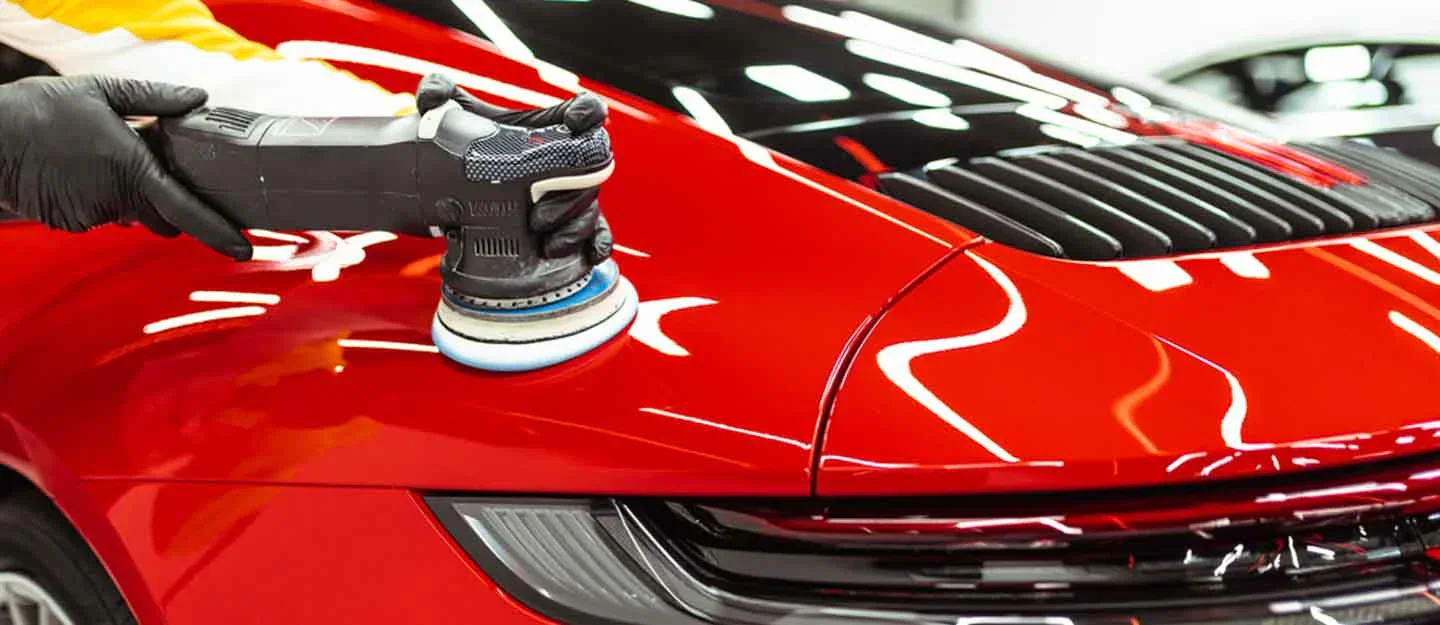
One-step polish: Single-pass machine polish using a finishing polish and soft pad — ideal for light defects and enhancing gloss.
Two-step polish: Compound or cutting polish followed by a finishing polish — used for moderate defects and better clarity.
Multi-stage correction (if offered): More aggressive compounding followed by refining passes for deeper defects. Note: aggressive correction removes more clear coat and requires thickness monitoring.
Edge and trim care
Protected or masked delicate trim and plastic to avoid hazing
Reconditioning of plastic trim if included
Final wipe-down and protection application
Apply a paint sealant, carnauba wax, or ceramic sealant/coating depending on the package selected — protects the polished surface and enhances shine.
Reinstall any removed parts, clean glass and wheels, and do a final inspection.
Options and upgrades
Light Polish (one-step): Good for routine refreshes and vehicles with mostly swirl marks.
Full Correction (multi-stage): Best for purchased/nearly-new vehicles with deeper scratches or for owners seeking maximum gloss.
Paint Thickness Measurement: Recommended for older vehicles or heavy correction to prevent over-polishing.
Ceramic coating or long-lasting sealant: For extended protection (months to years depending on product).
Headlight polishing, trim restoration, wheel barrel polish — often available as add-ons.
What to expect after polishing
Noticeably glossier, clearer paint with reduced swirl marks and light scratches.
Improved water beading and ease of cleaning when a protective product is applied.
Results vary with paint age and severity of defects — some deep scratches and chips cannot be fully removed by polishing.
Care and maintenance tips
Wash regularly using two-bucket or touchless methods to minimize new swirls.
Use microfiber towels and proper drying techniques.
Avoid automatic brushes and harsh chemicals.
Reapply a maintenance sealant or wax every 3–6 months (or follow ceramic coating manufacturer guidance).
Safety and limitations
Polishing removes a small amount of clear coat; repeated aggressive polishing shortens clear coat life.
Deep scratches, gouges, and paint chips may require repainting or professional bodywork.
Older, thin, or single-stage paints may not be suitable for aggressive correction.
How to choose the right package
Light swirl marks and a desire for regular upkeep: choose a one-step polish.
Noticeable scratches, dull finish, or prepping for a long-term coating: choose a multi-stage correction with paint thickness monitoring.
Unsure? Ask for an inspection — we’ll assess the paint and recommend the safest, most effective option.
If you’d like, we can provide a personalized recommendation and an estimate after a quick inspection of your vehicle.
Polish Package — What’s Included and Why It Matters
What the polish package does
Restores gloss and clarity: Removes light to moderate surface imperfections such as swirl marks, light scratches, oxidation, water spots and etching to bring back depth and shine.
Smooths the clear coat: Polishing levels the paint surface so reflections are sharper and paint looks newer.
Prepares for protection: A properly polished finish bonds better with sealants, waxes, and ceramic coatings, extending the life of those protections.
Typical services included
Exterior wash and decontamination
Hand wash with pH-balanced shampoo
Tar, sap and surface contaminant removal (iron fallout/rail dust decon if needed)
Clay bar or chemical decon to remove bonded contaminants
Paint inspection
Visual and/or light-meter inspection to assess swirls, scratches, and clear coat thickness
Determine which polishing approach is appropriate (one-step, two-step, or corrective)
Polishing process
One-step polish: Single-pass machine polish using a finishing polish and soft pad — ideal for light defects and enhancing gloss.
Two-step polish: Compound or cutting polish followed by a finishing polish — used for moderate defects and better clarity.
Multi-stage correction (if offered): More aggressive compounding followed by refining passes for deeper defects. Note: aggressive correction removes more clear coat and requires thickness monitoring.
Edge and trim care
Protected or masked delicate trim and plastic to avoid hazing
Reconditioning of plastic trim if included
Final wipe-down and protection application
Apply a paint sealant, carnauba wax, or ceramic sealant/coating depending on the package selected — protects the polished surface and enhances shine.
Reinstall any removed parts, clean glass and wheels, and do a final inspection.
Options and upgrades
Light Polish (one-step): Good for routine refreshes and vehicles with mostly swirl marks.
Full Correction (multi-stage): Best for purchased/nearly-new vehicles with deeper scratches or for owners seeking maximum gloss.
Paint Thickness Measurement: Recommended for older vehicles or heavy correction to prevent over-polishing.
Ceramic coating or long-lasting sealant: For extended protection (months to years depending on product).
Headlight polishing, trim restoration, wheel barrel polish — often available as add-ons.
What to expect after polishing
Noticeably glossier, clearer paint with reduced swirl marks and light scratches.
Improved water beading and ease of cleaning when a protective product is applied.
Results vary with paint age and severity of defects — some deep scratches and chips cannot be fully removed by polishing.
Care and maintenance tips
Wash regularly using two-bucket or touchless methods to minimize new swirls.
Use microfiber towels and proper drying techniques.
Avoid automatic brushes and harsh chemicals.
Reapply a maintenance sealant or wax every 3–6 months (or follow ceramic coating manufacturer guidance).
Safety and limitations
Polishing removes a small amount of clear coat; repeated aggressive polishing shortens clear coat life.
Deep scratches, gouges, and paint chips may require repainting or professional bodywork.
Older, thin, or single-stage paints may not be suitable for aggressive correction.
How to choose the right package
Light swirl marks and a desire for regular upkeep: choose a one-step polish.
Noticeable scratches, dull finish, or prepping for a long-term coating: choose a multi-stage correction with paint thickness monitoring.
Unsure? Ask for an inspection — we’ll assess the paint and recommend the safest, most effective option.
If you’d like, we can provide a personalized recommendation and an estimate after a quick inspection of your vehicle.